
by Raina Li (‘28)
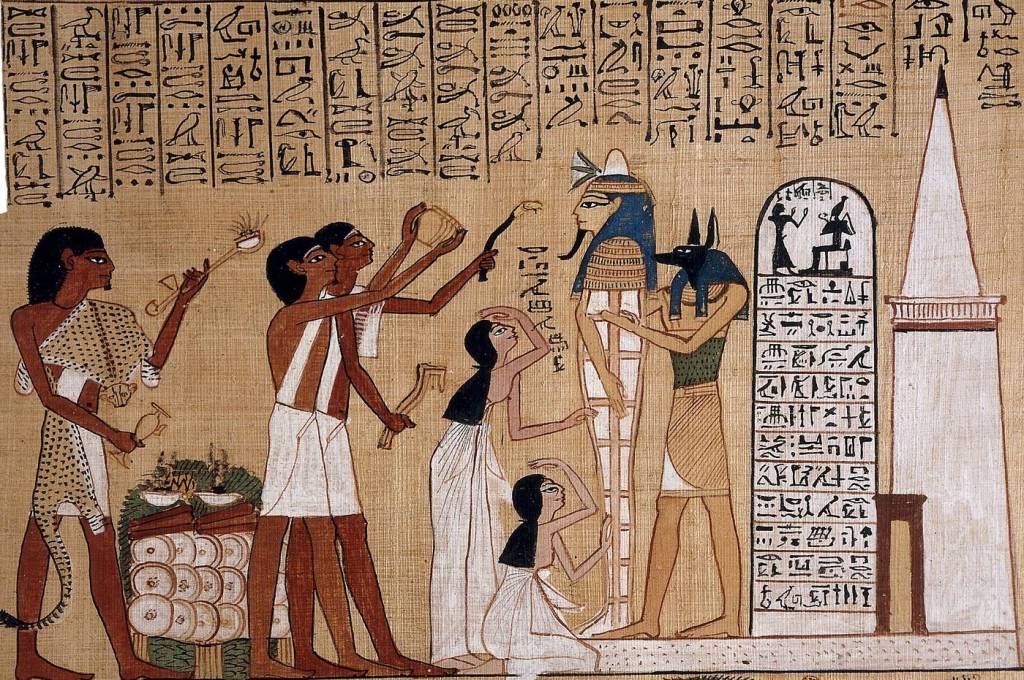
Despite being at a geological disadvantage compared to many other civilizations in the world due to drought or flooding of the Nile, Ancient Egypt had some of the most advanced healthcare of its time. Egyptian physicians were highly skilled in herbal, practical, and spiritual medicine, often combining the three methods to heal and revive their patients. Their expertise earned them respect and social stature, while their anatomy and health knowledge increased their patients’ survival chances. Evidence of the Egyptians’ ingenuity is preserved in medical papyri, which served as ways for physicians to log their studies on various ailments and to pass such medical wisdom to future generations of medical professionals. These records verify their proficiency in medicine and illuminate their dedication to their people.
Their religion greatly impacted ancient Egyptians’ understanding of medicine. Due to the lack of knowledge about the origin of disease, Egyptians believed that sickness was the product of angry Gods or vengeful spirits. Therefore, physicians were often well practiced in spiritual uses of incantations and prayers to ward away bad omens or to appease an angry God. Although these methods did not greatly impact the patient’s physical well-being, they likely had some psychological effects that indirectly contributed to the healing process.
The ritualistic nature of medicine in Ancient Egypt extended beyond prayers and incantations. The daily lives of Egyptians were undoubtedly impacted by their beliefs, which were often related to medicine. For example, health-protecting amulets were carried around, both common folk and doctors practiced hand washing blended herbs were applied to the skin to reverse aging, and calming potions (often made of opium or cannabis) were given out to distressed individuals. None of these routines were truly magical, but many heeded positive results that seemed to be related to or caused by divine intervention. This assemblage of hygiene practices, spiritual artifacts, and herbal medicines, when reinforced, undoubtedly shaped the social view of health and disease.
Nature played a pivotal role in the discovery and creation of drugs: and thereby the treatment of patients. Because there was no way to create synthetic medicine at the time, ancient Egyptians mostly relied on nature for answers to perplexing medical puzzles. The Ebers Papyrus, one of the many medical papyri created to log information about medicine, focuses on a wide range of diseases and outlines recipes and prescriptions that cure or lessen the effects of various conditions, such as intestinal problems, skin irritation, and allergies. Among the hundreds of remedies and treatments found in this papyrus, some of the most well-known are aloe vera, honey, mustard, garlic, parsley, and mint, which serve different purposes, such as binding herbs together (honey), soothing irritation (aloe Vera), or alleviating stomach problems (peppermint). Further studies made by modern scientists have proven many of these procedures to be effective.
Meticulous efforts to document, catalog, and preserve medical knowledge also played a vital role in advancing science and medicine in Ancient Egypt. Papyruses were commonly used to log information about a variety of subjects, and their contents ranged from encyclopedic documentation about the medicinal effects of herbs to spiritual writings about rituals that might be performed to treat illnesses. Future physicians will likely refer back to these records to diagnose and prescribe medicine to their patients. These writings also allow for continuous study of the Egyptians’ work for historians today and give people a glimpse of their wisdom.
Finally, Ancient Egyptians dabbled in the field of surgery. Fractures and dislocations were treated expertly by most physicians, who created and applied splints made of wood and hardened paste to stabilize injured limbs. Amputations, followed by the insertion of prosthetics, were performed well. The Egyptians’ excellent understanding of human anatomy was vital for successful operations, as many cases involved complex structural issues (i.e. jaw dislocations, clavicle fracture, complete fractures, etc.) While some treatment methods had simple solutions, others were more complex and risky. Archaeological digs have also unearthed advanced surgical instruments, such as scalpels, forceps, and saws, that could have been used for more invasive procedures.
As shown by their deep understanding of anatomy, practical usage of medicine, and organized way of thinking, the Egyptians were far ahead of their time. The principles they had and the practices they used continue to show up in modern healthcare, and many of their methods were even more effective than those used in the 19th century. Although some of their techniques and beliefs were slightly flawed, they applied the most important fundamentals of medicine to their procedures, which set an example for future practices.
 The Overachiever
an interesting read!
LikeLike