
By Lorelei Aquilina (’27)
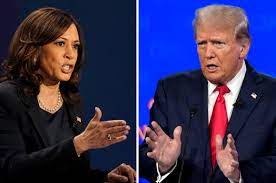
During election season, there are so many factors to how a candidate presents themselves: their mannerisms, nervous habits, and body language are all massive cues towards who the candidates “truly” are. But, one majorly ignored part of a candidate’s campaign is their fashion choices. Though fashion seems unimportant and shallow to politics, it has been used throughout history to send a message. Things like the color tie worn, style of clothes, and fabrics chosen can tell you a lot on how a person wants to be perceived and the message that they are sending. To observe this, take a look at the main US candidates, Kamala Harris and Donald Trump, and how they and their publicity team use fashion to make political statements and communicate ideas.
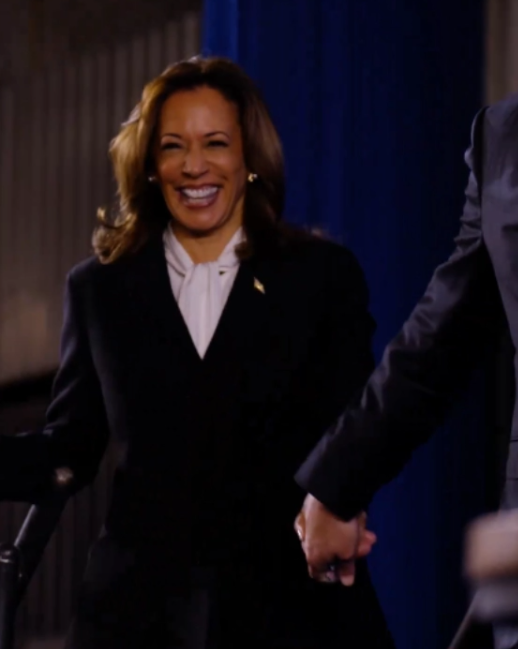
Looking at one extremely important instance of fashion in politics, the debate between the two parties. This is the largest amount of political media and possibility of political sway that was presented in this race. The debate between the unofficial democratic and republican nominees (Trump and Biden) proved that, with the debate starting the snowball that eventually led to his resigning. The presidential debate is extremely important and the clothes of the candidates are an important, though often silent, campaigning tactic. For example, Harris arrived at the debate in a pussycat bow blouse, which is a direct political dig at Trump, who experienced a wave of women referencing this in their clothing as a protest and attack on him during his first election. (ie: hats with cat ears, and this style of blouse) Additionally, Harris wore a black pantsuit which many critics pointed out as a stark turn to such a lively and joyful campaign, offering a serious view of her after the blatant criticism of her not being serious enough. Others also mention the black being a dig at her opponent’s bright and often garish suits. Overall, Harris’s outfit offered a new perspective of her as a serious and valid candidate for the presidency while also subtly digging at her opponent and other sexist backlash she faced.
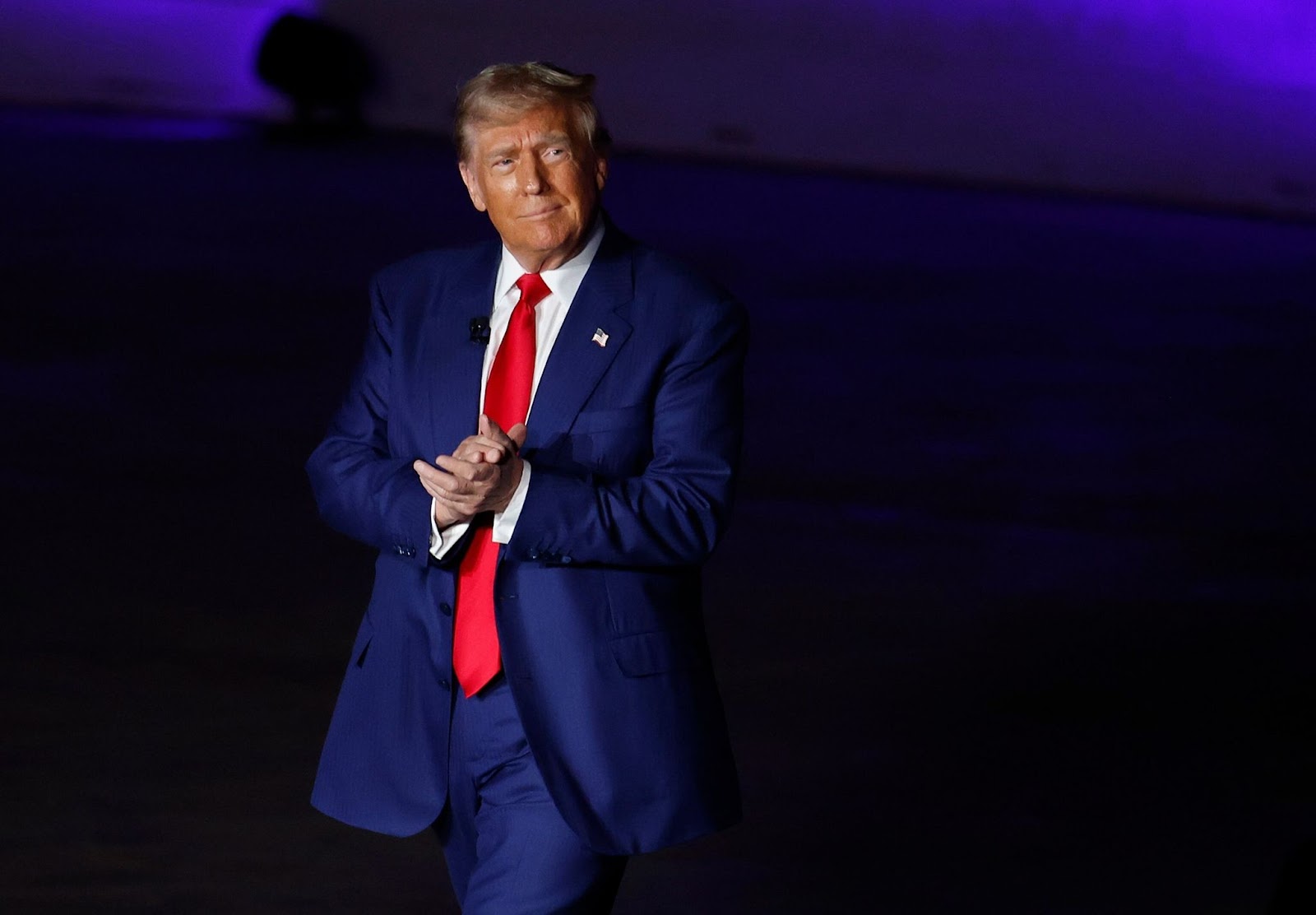
Trump, on the other hand, leans heavily on the rhetoric that he has built himself around, sporting a red tie and a blue suit, along with a american flag pin that both candidates wore. Though this is Harris’s first presidential debate, for Trump it is far from it. Comparing this suit to the one worn in 2020 and even 2016, stark differences can be seen. In the 2016 debate Trump wore a black suit with a blue tie, while his opponent wore a red dress. This color switch was noted by the public and may have been a way to display civility between the two parties. Contrastingly, in 2020, Trump wore a navy suit with a navy and red striped tie. This tie, especially compared to the black and white striped tie of his opponent, seemed to frame the two as coordinating. Though it likely played out through gossip and a last minute switch as stripes may draw attention to the opponent and take it away from you, which is very bad on such a large stage as this. The lack of coordination between candidates this time arround suggests a shift away from that tradition, instead Trump sports a recognizable suit of his and a classic Republican red tie. By sticking to his standards, the former president gives a sense of security by offering a collected yet extremely familiar version of himself.
Both candidates used fashion as an important campaign tactic and relied on it heavily in places such as the presidential debate. There are other examples of this beyond the literal stage of the debate, depending on where they are campaigning and what aspects they want to highlight. Consider this the next time you look at a political figure. How is their fashion affecting how you perceive them?
 The Overachiever
Incredible article! So impressive. We love you.
-your sister’s roommates
LikeLike