
By Hayden Frishman (‘27)
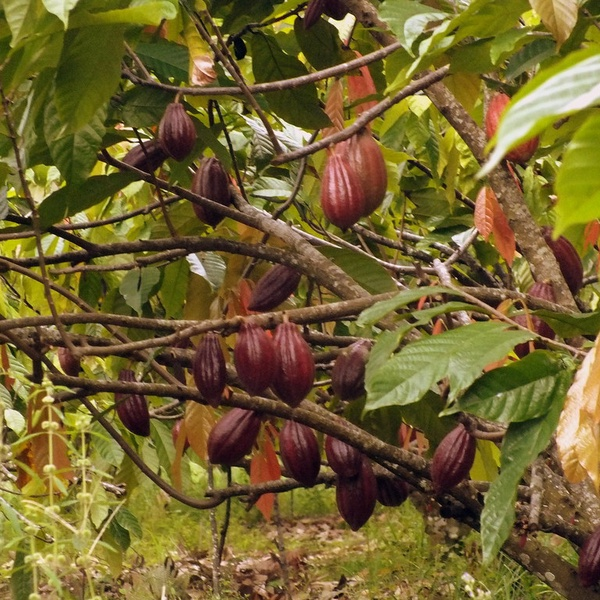
Image courtesy of The NASA Earth Conservatory
Chocolate is usually in candy bars, ice creams, and almost anything you can think of. Chocolate also has many different varieties, such as dark chocolate, white chocolate, and milk chocolate, and can be mixed with different extracts to bring out a unique flavor. But where does this delicious chocolate come from? Cacao beans originate from cacao trees, in which the brown cacao pod is cracked open to show its milky white beans, which are surrounded by a pulp. As cacao beans have been shipped from Brazil to other parts of the world to make chocolate, Brazil is now starting to create chocolate of its own.
Global traders have flocked to Brazil to buy its coveted cacao beans at low prices and sell them at higher prices. Now, Brazilian chocolatiers are starting to create chocolate in Brazil to grow the chocolate economy in Brazil and stay true to their country. In Brazilian chocolate, fruits and nuts from the Amazon Rainforest have also been mixed in. New chocolate makers in Brazil stem from either small businesses in the Amazon or larger companies, and different shops selling Brazilian chocolate all around the nation.
The cacao tree grows the cacao beans that are turned into chocolate. Cacao is mostly grown around the equator, where most cacao is grown within 10° of the equator. Cacao needs a humid and rainy environment to grow, and grows best in the shade of trees in the rainforest. The cacao tree is an evergreen, and the cacao pods grow directly from it. The pods can ripen to be purple, red, or even yellow variants! In these pods, around 20-60 seeds are derived and eventually made into chocolate!
Even though machines have been used to harvest different crops, cacao is still harvested by hand, usually with a knife or machete. This is because the trees and blossom clusters are very fragile and can be easily injured. The cacao trees usually produce cacao year-round, with two more concentrated periods of production due to the rainy season. Once harvested, the pods are typically taken to a processing location. Where the pods are processed, they are then cut open to remove the pulp, the beans are roasted, and then fully prepared.
Not only is chocolate delicious, but it also provides some health benefits. Cacao powder can help lower blood pressure and reduce the risk of diabetes because of the flavonoids and antioxidants in cacao. Cacao can also lower the chances of heart disease. This is because the flavonoids are linked to higher levels of nitric acid, which relaxes arteries and blood vessels. So, even though there could be a lot of added sugar in the chocolate that you eat, the cacao can help with these parts of your health!
In conclusion, the cacao pods being grown in Brazil are now contributing back to their economy, and carefully harvested cacao turned into chocolate can even benefit the human body! After processing, chocolate is made in order to share the joy it brings with the world. For a long time, the best chocolate was made in Switzerland or Belgium. Now, Brazil claims the cacao growing as its own, turning these beans into the chocolate we know and love today.
 The Overachiever