
By Lilly Barnhart (‘27)
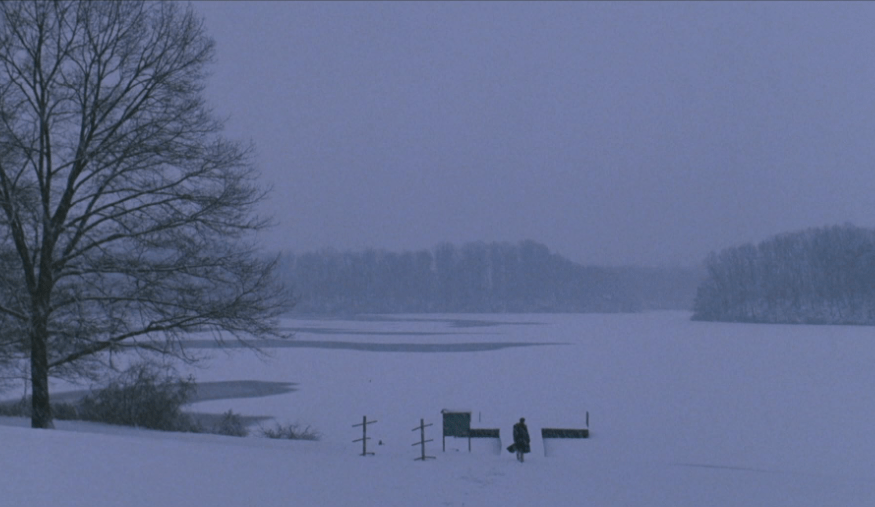
The Dead Poets Society (1989). Image Courtesy of The Dead Poets Society via IMDb
It has become common to scroll through TikTok, Instagram, or Pinterest while binge-watching your favorite movies on Netflix. But while the short videos on your phone may have been produced in under 10 minutes, movies are not. They do not contain small snippets of viral songs; they have scores and soundtracks crafted specifically for them. In comparison to some TikTok videos, the music isn’t just background noise; it supports and leads the plot of these movies. Many people do value movie scores, but still, they are not talked about enough among younger watchers, like us. I value listening to the track records of certain movies and noticing when my mind connects the visual and auditory queues to create new meanings. To give a fair warning, I am in no way a music critic, but it is regular people who these movies are often directed towards, not professionals.
What makes a good film score is– for the most part– subjective. But it should convey the right mood for specific scenes. In the documentary “Score”, Leonard Maltin, an American film critic, author, and historian, said, “ Music has tremendous driving power within the narrative of any film”. A large majority of people focus on the visual parts of film, which is understandable, but movies are such emotional experiences because of the music. Composers hold unseen power because they can make the audience feel anything they like. A character may be crying, but if the music is light and melodic, we will interpret it as relief or even happiness. The complexity of combining visual and auditory elements is what makes up the emotional depth of movies and drives the plot. It is so important for people in the audience to notice these things, not only to give credit to the hours of work that have been sacrificed composing, but also to obtain a more meaningful experience.
Just like any director or producer, composers work for months, possibly even years, to finalize their scores. Each composer has a unique way of creating music, often uncovering their own thoughts and emotions regarding the film. They do so through their own style. Style can include everything from how the pieces were made to what elements of music they contain. When listening closely, the choice of instrumentation, the expressive techniques, and even rhythms can be reminiscent of other movie scores created by the same composer. Composers are chosen by the director based on their style because it can represent so many different elements of a movie. Entire cultures and ideas can be presented through a specific composer’s work.
Arguably, some of the greatest composers are Ennio Morricone, John Williams, and Hans Zimmer. Their work has been heard by just about everyone on this earth, but their pieces sound very different. Their creative processes and final scores become vulnerable parts of their identities. Hans Zimmer even admitted, “I am very fragile when I have to play a piece of music to anybody”, which proves that these musicians connect with the music on a personal level. They allow their own feelings to take over in order to make the audience reflect and feel their own emotions. Given that people are listening to the raw emotions felt by the composers through their music, one can assume that a deeper connection between the watchers and the music writers is formed. One could therefore wonder why music writers are often left unnoticed. While their faces go unseen, their impact remains, and it lives on in the people who took the time to notice the music’s effect on them.

Composer John Williams conducting in 2023. Image Courtesy of Shannon Finney / Getty Images via the Smithsonian Magazine
Interestingly enough, it has also come to light that many great composers are often reserved and even humble. Some are outright scared and unsure of their process until the score is finalized. Composers, like Alexandre Desplat, Hans Zimmer, and Mychael Danna, talked about how they can feel terrifyingly underqualified and unprepared, which sounds absurd to their audiences, but on a deeper level is certainly understandable. It is human to doubt oneself and feel scared when so openly presenting one’s emotions to the world. The part of composing music for movies that is so raw and real is that a film score can only be successful when the music writer is given freedom. Only when they are allowed to surprise the director and offer perspectives that were not thought of before can the movie become complete. So, it is the determination and the willpower that these composers have that make the creation of film music so unique. These people cannot just create anything. They simply will not feel accomplished before they compose a score or soundtrack that fulfills their personal perspectives and reflects the whole idea of the movie as well.
There are a few prestigious events where film music gets recognized, but among ordinary people, it is not commonly talked about. Many people would not recognize it as its own music genre. Why not? Many of these composers have platforms on YouTube and Spotify, where it is easy to access their work and listen to it. Many of them also believe that movie music has the potential to become its own genre. In “Score” Hans Zimmer also said, “John Williams made me realize film music can be as great as the classical composers” because of his orchestral style. Film music, commonly being instrumental, can hold the same values that classical music does. It tells stories and engages the listener. It is such an insightful experience, talking about film music, because it holds noticeable emotional depth and so many different layers. Because of its unique creation and its place in culture, film music deserves to be recognized as its own music genre.
 The Overachiever