
By Opal Frazier Johnson (‘28)
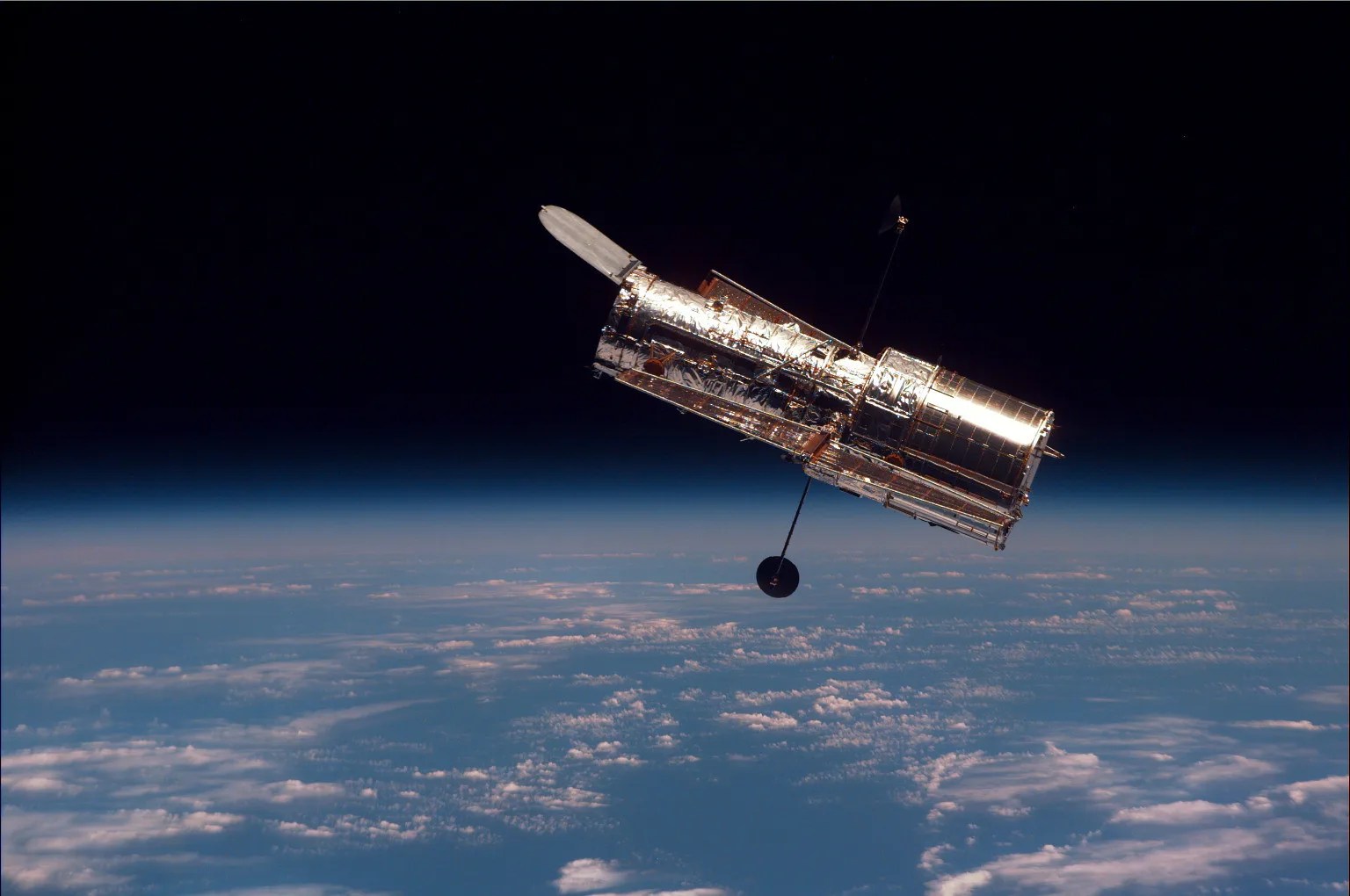
The Hubble Space Telescope celebrated its 35th anniversary this year, and it has had countless contributions to science in that time.
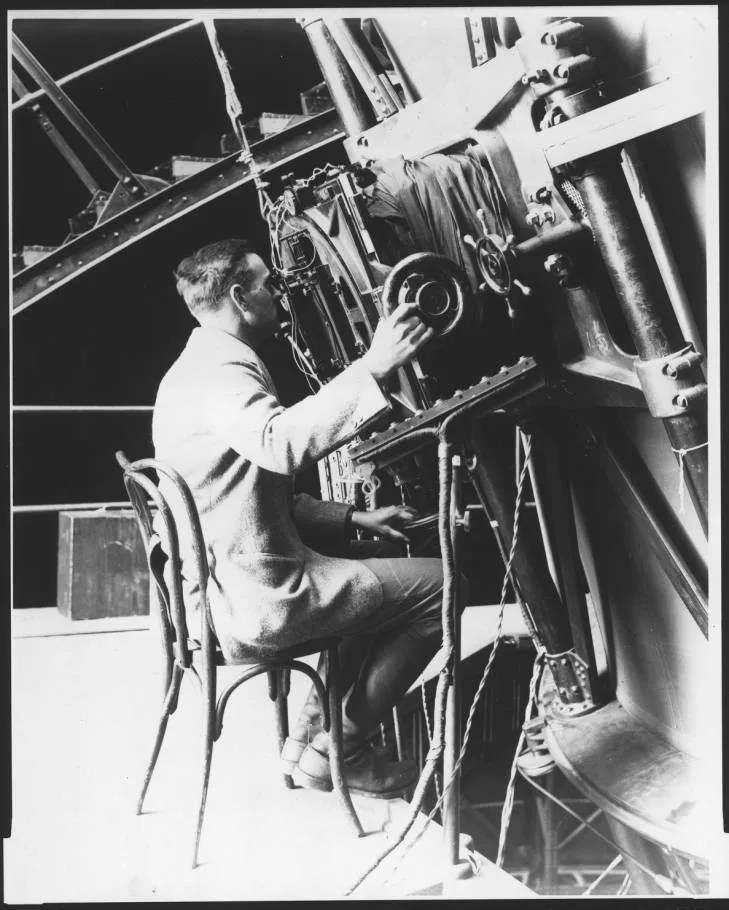
The telescope was named after the American astronomer Edwin Hubble. Hubble was born in 1889 in Marshfield, Missouri. He studied at the University of Chicago and the Universities at Oxford and Cambridge, and gained a master’s degree.
Edwin Hubble is most famous for his discovery of the expanding universe. In 1929, he announced that he had discovered that celestial objects like stars and planets were moving away from the Earth, which led to his hypothesis that the universe was expanding.
This discovery shook the scientific community, and Hubble was renowned for his discovery. In 1983, the Hubble Space Telescope was named in commemoration of Edwin Hubble, who had died in 1953 at the age of 63.

Throughout its history, the Hubble Space Telescope has made many discoveries and contributions to science and astronomy. These discoveries include:
- Verified the age of the universe to be 13.8 billion years old (1990s).
- Discovered Nix and Hydra, two moons of Pluto (2005).
- Created the first 3-D map and model of dark matter and how it works (2007).
The 35th anniversary of the Hubble telescope was celebrated across the scientific community, and NASA celebrated by updating many old photos taken by the telescope and updating or enhancing them, making several stunning images. This photo set includes an updated version of a picture of the Eagle Nebula star cluster. This photo was released on April 18, 2025, and it is absolutely gorgeous.

This picture, along with most other colorful images that you may have seen from the Hubble telescope and other satellites, is not the original photo. In fact, they have been shifted along the visible light spectrum, in order to create the amazing colors and shapes that we have come to associate from the Hubble telescope.
The Hubble space telescope has produced some of the most interesting and intriguing images and data in astronomy over the past 35 years. The telescope is expected to last until the mid 2030s or 2040s, and while the Hubble Telescope is nearing the end of its life, it shows no signs of slowing down. The photos from the telescope continue to dazzle both the scientific community and the world. The photos it takes will continue to aid in future scientific discoveries as well as be a pillar of scientific advancement in the modern world.
 The Overachiever