
by María José Alvarez Toribio (‘27)
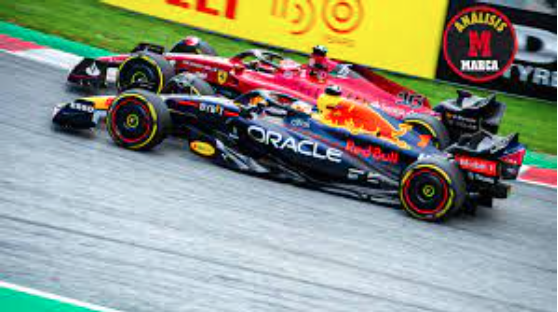
Formula 1 consists of a yearly car racing season (usually from March to November), in which two drivers from each of the 10 teams must compete, driving at above 220 mph through about 23 complex tracks around the world. Each of these races is called a Grand Prix. Formula 1 is sanctioned by the Fédération Internationale de l’Automobile, also known as the FIA. They regulate who is allowed to race, what teams are and are not allowed to do, safety terms, and much more.
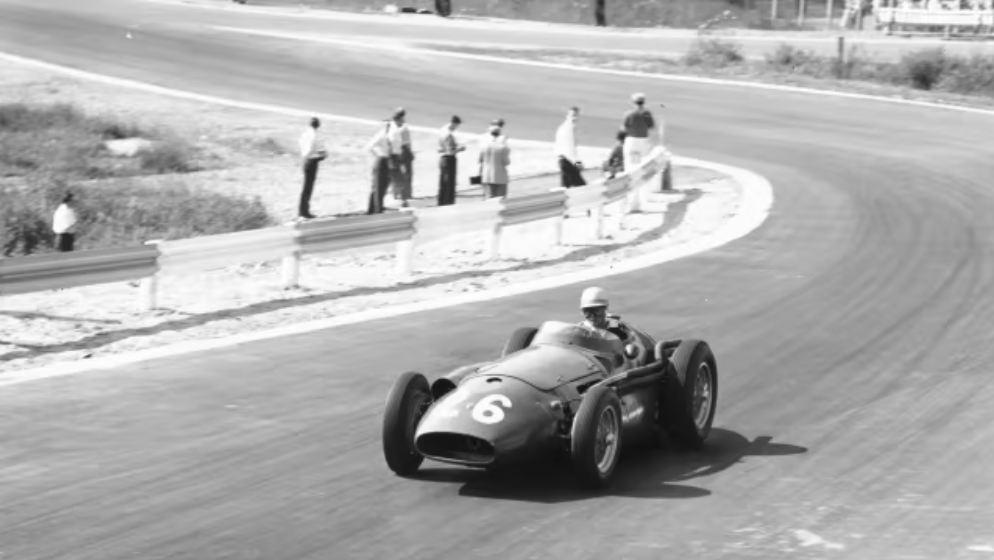
Since the first-ever Formula 1 race in 1946, the sport has undeniably been heavily dominated by men. When the first Grand Prix was held in Turin, Italy, the sport was mostly marketed toward men, as other extreme sports have been. The danger racing implies has been one of the main reasons women are discouraged from joining racing-related activities, including just watching and discussing the sport, which contains no danger whatsoever. This sport is viewed as a “man’s sport” for several reasons. One of these reasons is the imposed lack of interest young girls may have in Formula 1 due to cars being viewed as “guy things”. Since young women don’t see themselves in other drivers, they may not even consider pursuing a career in the sport.
Throughout the history of the sport, only five female drivers have officially participated in a Formula 1 Grand Prix. This is an obvious contrast to the amount of male drivers who have done so.
Maria Teresa de Filippis (1958-1959)
Lella Lombardini (1974-1946)
Divina Galica (1976)
Desiré Wilson (1980)
Even though none of these women had the opportunity to race as regularly as the male drivers do now, they made history, being the only women to officially participate in Formula 1 since the sport was created. Throughout these years, there were about 200 spaces for drivers to participate in F1 and only five were occupied by women. The men-to-women ratio in F1 is a clear representation of the lack of opportunities women get compared to men in society. The number of women in general (fans, engineers, racers, journalists,etc.) involved in Formula 1 is increasing, but not nearly enough to outweigh the years of disadvantage women have had over the male domination in the sport.
Many people directly involved in Formula 1 have explicitly said that women have no place in F1. Christian Horner, principal of the Red Bull racing team, was asked why he thought there was an increase in women interested in F1, to which he responded, “It’s bringing in a lot of young girls because all these great-looking young drivers”. For a long time, women have been encouraged only to take an interest in superficial affairs, which excludes liking a sport for any other reason than the “great-looking drivers”. These kinds of harmful comments discourage women from taking an interest in male-led sports and set the standard that it is okay to speak this way about other fans. While many women openly express their passion for racing, a lot of other women feel as though they don’t have enough knowledge of it to be able to talk about it. This is a direct result of the lack of women involved in the sport itself, making them less informed on the topic. Men are not regularly shamed for appreciating sports, while women get constant comments where their interests get questioned and devalued.
Over the past few years, more women have become involved in Formula 1 by joining different F1 academies. According to the Global F1 Survey, there has been an increase of women in F1 from 10% in 2017 to 45% in 2021. The amount of women in the sport is speculated to rise over the next few years since a lot of young women will have finished their time at various driving academies. The vast majority of women involved in this sport (social media creators, F1 fans, journalists, drivers, etc.) agree that this change in Formula 1 domination was long overdue.
The undeniable rise of women in Formula 1 has been anticipated for a long time and will be completely welcomed by other women as they become accepted in the community and treated as equals. Gender equality should not be a topic to debate, but the standard in F1, and all sports alike.
 The Overachiever